Description
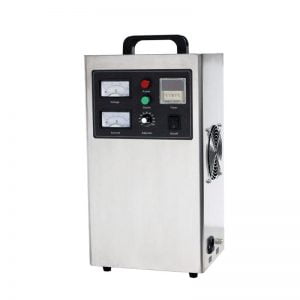
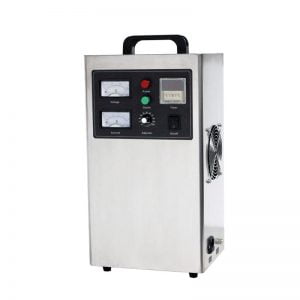
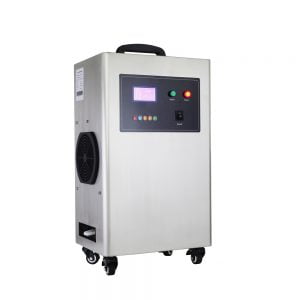
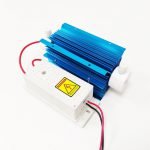
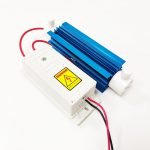
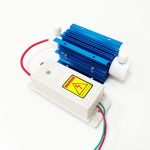
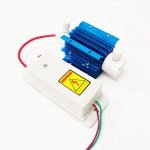
10G Ozone Generator
The OZ-N series ozone generators offer reliable performance and are widely used in aquaculture, swimming pool sterilization, food processing, cold storage, and other commercial and industrial ozone applications.
These units are used not only for water treatment but also for air purification. For example, they are ideal for deodorization and sterilization in cars, ships, restaurants, bars, hotels, warehouses, offices, and workshops.
Features
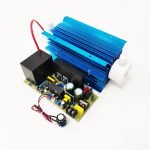
High-purity ozone tube – Equipped with a high-purity corona discharge ozone generator tube, ensuring stable ozone output and long service life.
Adjustable ozone output – Features adjustable ozone output via an adjustable power supply.
Corrosion-resistant materials – Constructed with oxidation-resistant and corrosion-resistant materials, including Teflon tubes and stainless steel components.
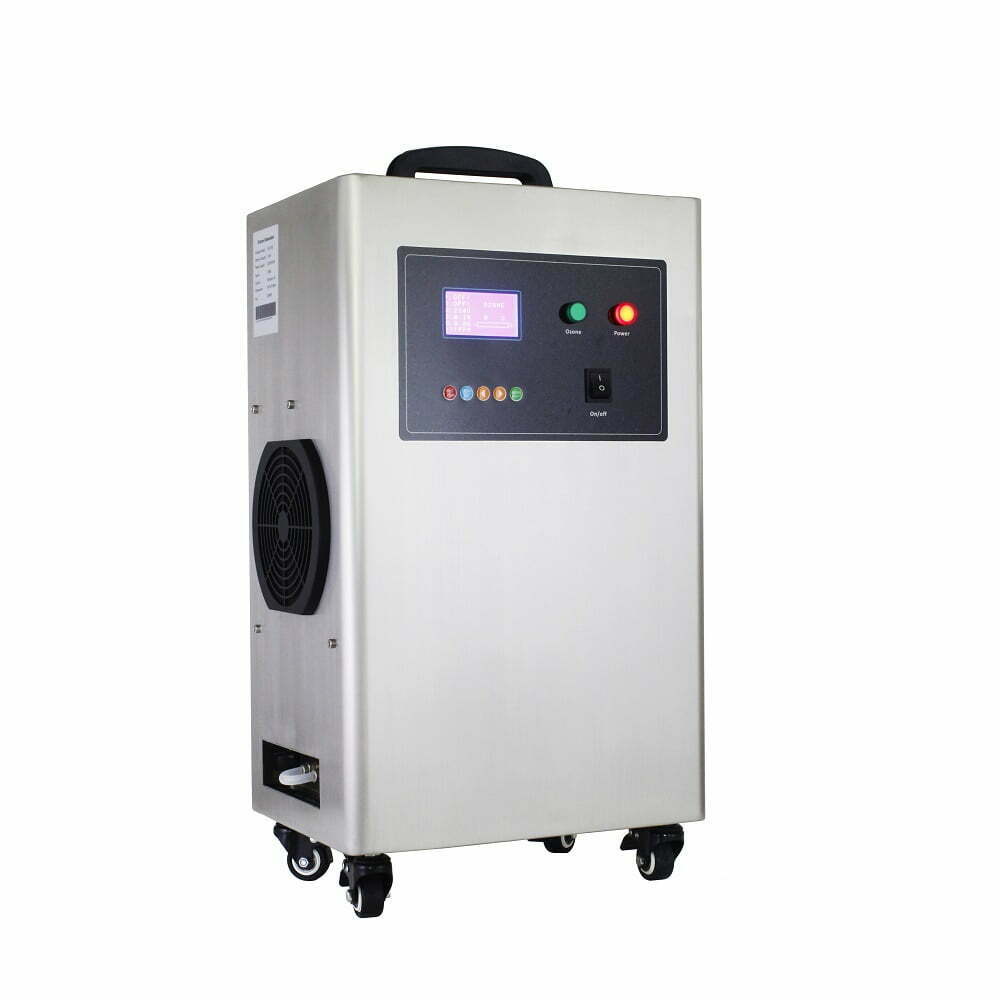
Integrated air system – Built-in large air pump and air dryer make it a complete ozone machine that is easy to operate with stable ozone output.
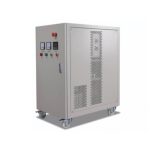
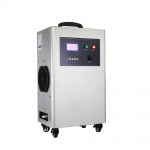
Portable design – Stainless steel box with handle and wheels for easy portability across various applications.
Smart timer – Supports automatic start and stop, programmable up to 5 times per day.
Power-saving switch – Includes a switch to turn the air pump on/off to save power. Can also connect to an external oxygen source for demanding treatment requirements.
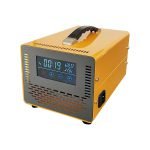
Digital display screen – Provides clear real-time readouts.
Specifications
| Parameter | Value |
|---|---|
| Product model | OZ-N10G |
| Air pump flow rate | 55 LPM |
| Working voltage | 220V or 110V, 50/60Hz |
| Power | 150W |
| Cooling method | Air cooling |
| Dimensions | 360 × 260 × 680 mm |
| Net weight | 14 kg |
Detailed application of ozone
Escherichia coli (E. coli) is a serious problem in food and water. This bacterium has impacted farmers, food processors, restaurants, and municipalities, all of which have taken steps to reduce its presence.
Traditionally, chlorine has been a low-cost and relatively easy-to-use oxidizer effective against a wide variety of pathogens. However, the use of chlorine has come under increased scrutiny due to its potentially harmful side effects.
A relatively new antimicrobial intervention that is both effective and safe is ozone. In fact, ozone has been used as a drinking water disinfectant for over a century. It is now gaining wider popularity for use in food processing and surface sanitation.
The most common method of using ozone for pathogen reduction is dissolving ozone into water. Ozonated water is stable, safe, and easy to manage.
Typically, ozone is dissolved into water using an ozone injector and then sprayed onto surfaces to achieve disinfection. This method can be used on hard equipment surfaces as well as on the surfaces of food products.
Ozone gas can also be used to eliminate food-borne pathogens. Air treatment enables disinfection of entire areas—such as workshops, storage rooms, and packaging areas—rather than only points of direct contact with food.